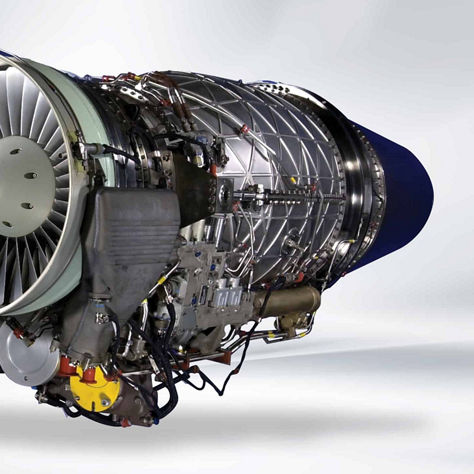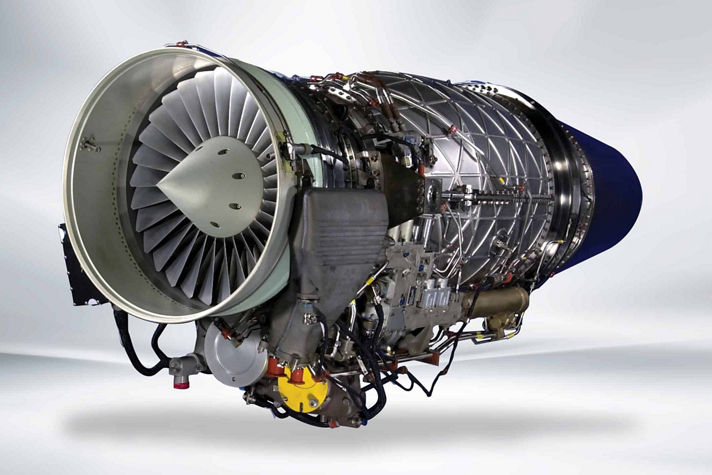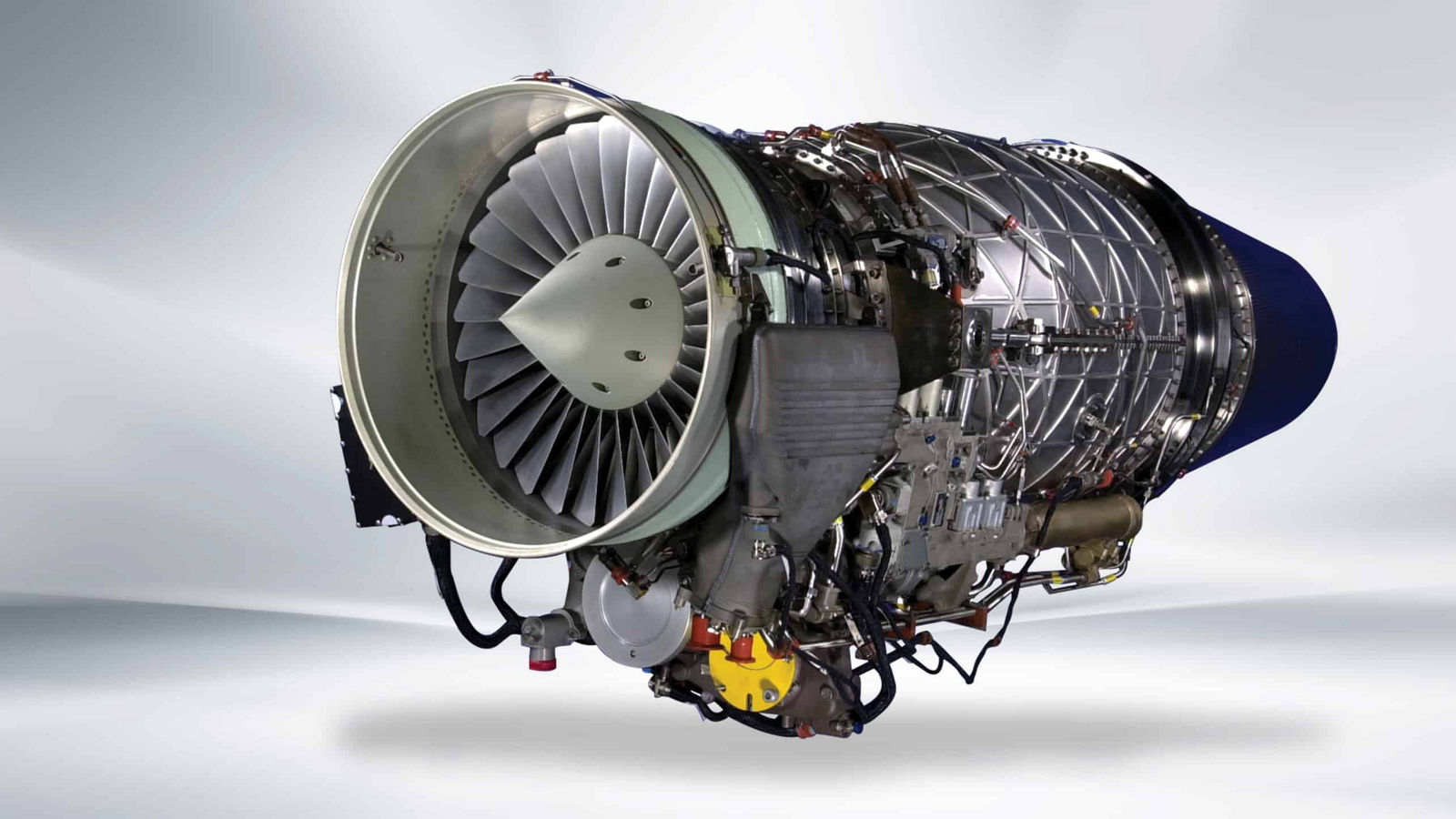


F124 Turbofan Engine
The Honeywell F124 turbofan engine has what it takes to power today’s most advanced military jet trainers and light combat fighters. Read more!

Your browser is not supported.
For the best experience, please access this site using the latest version of the following browsers:
By closing this window you acknowledge that your experience on this website may be degraded.
What does “proven” really mean? Explore how the F124 engine's reliability, maintainability, and operational track record support training readiness.
In military training aircraft, propulsion is not simply an engineering choice. It is a readiness decision.
Aircraft availability creates sorties. Sorties create pilots. Pilot production supports fleet readiness. That connection is why the word proven deserves a more precise definition than it often receives in aerospace discussions.
Nearly every engine program in every competition claims to be proven. The term has become so common that it is often left undefined. For a program such as the Navy's Undergraduate Jet Training System (UJTS), that ambiguity does a disservice to the people who depend on the aircraft every day: instructor pilots flying multiple sorties, maintainers working tight turnaround schedules and the future naval aviators whose training progression depends on aircraft being available to fly.
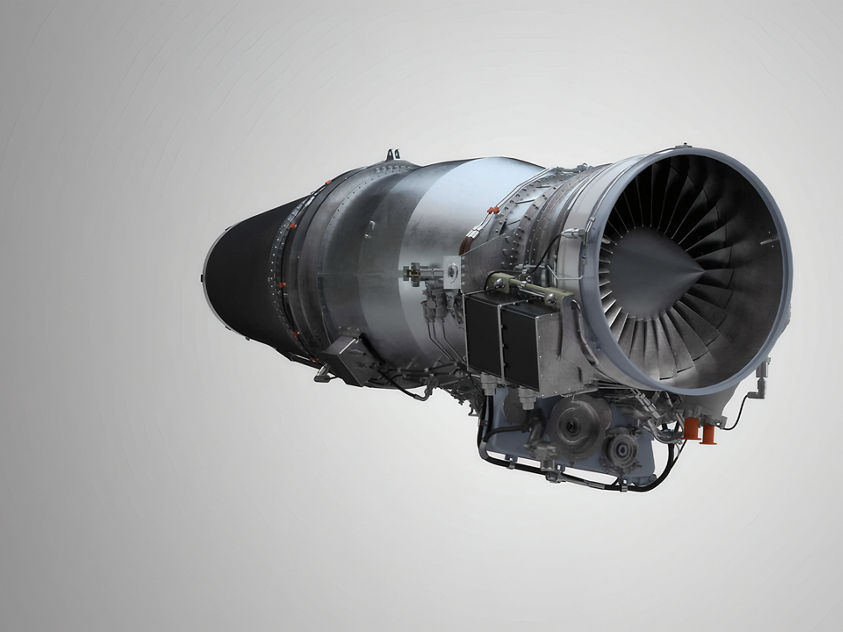
For a military training platform, proven should be measured through relevant military operating experience, demonstrated reliability, maintainability, aircraft availability and a production and sustainment system capable of supporting the fleet over the long term. Those characteristics can be evaluated through evidence, not marketing language. The F124, which powers the Beechcraft M-346N trainer, offers one example of what that evidence looks like in practice.
Relevant military operating experience should be one of the first measures. The F124 has accumulated more than 2 million operating hours on military aircraft performing military missions. That distinction matters because military training aircraft operate under different conditions and duty cycles than commercial aviation platforms. Operating history is most meaningful when it reflects the mission an engine is expected to perform.
The F124-GA-200 configuration has recorded a mean time between unscheduled engine removals of more than 4,900 equivalent flight hours since entering service in 2012. In practical terms, aircraft can continue generating training sorties through multiple scheduled maintenance cycles before an unscheduled engine removal becomes necessary.
Reliability metrics are most useful when they have been demonstrated under operational conditions. The F124 family has recorded more than 400 reported bird-ingestion events during service, many of them in coastal operating environments where bird activity is common. None resulted in an in-flight shutdown. Approximately three-quarters of the affected engines returned to service within a day. Operational experience does not eliminate risk, but it provides data that allows operators to understand how systems perform under real-world conditions.
Reliability is only part of the readiness equation. Proven should also include maintainability.
The F124's modular architecture allows engine modules to be built, shipped, stored and replaced independently without special shimming or balancing during installation. Established military maintenance and sustainment practices further support operators in the field. For training organizations, that can translate into faster returns to service, more predictable maintenance planning and fewer aircraft waiting for propulsion-related maintenance actions instead of supporting pilot training.
Long-term operational experience also creates something that cannot be developed quickly: a continuous learning cycle between the fleet and the engineering teams that support it. Experience from operators, maintainers and sustainment organizations provides insight into how products perform in service and where improvements can be made. Over time, that feedback has contributed to enhancements in durability, maintainability and overall fleet supportability.
An engine must also be supported by production capacity and a sustainment network capable of supporting readiness throughout the life of a program. Honeywell Aerospace is expanding F124 production, test and repair capability in Phoenix. Capacity matters because readiness depends not only on the engine flying today, but also on the ability to sustain that engine for decades.
Ultimately, the discussion should be less about claims and more about evidence.
Proven is not a slogan. It is a record of operational performance, reliability, maintainability, sustainment and fleet support. An engine should not be considered proven because a proposal says it is. Proven should be demonstrated in operational data, reflected in sustainment performance and measured in the outcomes that matter most to the mission.