



Jeremy Dingman
Director, Customer Marketing
Jeremy Dingman is the Director of Product Marketing and has been with Honeywell since 2015.

Your browser is not supported.
For the best experience, please access this site using the latest version of the following browsers:
By closing this window you acknowledge that your experience on this website may be degraded.
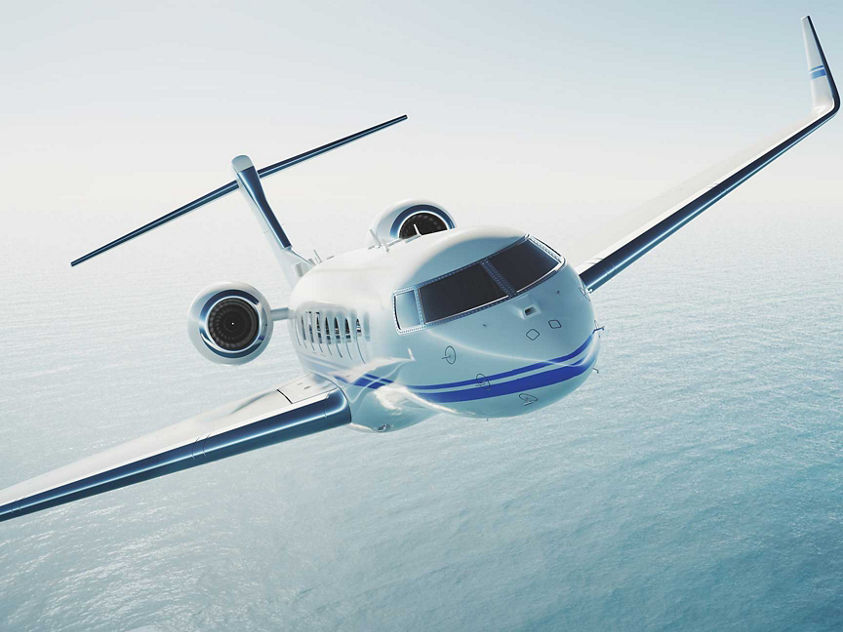
The other day I came across an article about the most elaborate and expensive aircrafts around the world. These aircraft, owned by some of the richest people alive, contain the most extravagant upgrades available and are worth more money than I’ve ever seen.
I have never considered owning an airplane a possibility. In fact, before writing this, I couldn’t imagine the price tag or the copious amount of maintenance that I thought comes with ownership – heck, I’m lucky if I remember to get my oil changed every 3,000 miles.
So, this got me thinking—is it really that expensive to own an airplane? Is this a luxury exclusive to the wealthiest people of the world?
In my research, I stuck to five fundamental principles that play into the cost of owning an airplane -- the initial purchase price, maintenance and operating costs, insurance, hangar rental space vs. tie-down, and of course, upgrades/add-ons.
For the purpose of this article, I chose the Cessna 172 Skyhawk, the successor of the Cessna 172, one of the most popular single-engine airplanes on the market used for training and cross-country travelling among general aviation pilots. So without further ado, here is the real cost of owning an airplane.
According to a 2012 article in Flying Magazine, the Cessna 172R, the less powerful of the two Cessna Skyhawk models mentioned, seats four people comfortably, carries 918lbs of “useful load,” has a max cruise speed of 124 Knots True Airspeed or 142 mph and is capable of travelling at 640 nautical miles or 736 miles. And if you were wondering, it comes with the option to add Automatic Dependent Surveillance- Broadcast (ADS-B) upgradable traffic so that you’re able to fly in 2020.
According to the Aircraft Owners and Pilot Association, there are a few fundamental maintenance costs that every owner must pay attention to such as fuel, oil, engine reserves/overhaul and landing fees. In an example from an AOPA article, Hypothetical Operating Cost Calculation, a pilot flying 100-hours per year vs. 300-hours per year can make a huge difference so it’s important to note that these calculations can vary based on travel schedule and the condition of the aircraft. Here is the breakdown of the fundamental maintenance and operating costs based upon 100-hours vs 300-hours:
| 100 Hours: Fuel: $40/hour x 100 Hours= $4,000 (8 gallons/hour X $5.00 per gallon Oil: $2/hour x 100 Hours= $200 Engine Reserves: $1,700 ($17x100 Hours) Landings fees= $50/ (varies based on airport) |
300 Hours: Fuel: $40/hour x 300 Hours= $12,000 (8 gallons/hour X $5.00 per gallon) Oil: $2/hour x 300 Hours= $600 Engine Reserves: $5,100 Landings fees= $150 |
On the other hand, there are several ways to save money by obtaining more certifications; undergoing regular training; co-owning the aircraft; and many other options. In the same AOPA example, the owner just bought a 1975 Cessna Skyhawk and was quoted an annual premium of $1,200/year; however, after comparing a few quotes for myself, owners of the new Cessna 172 Skyhawk aircraft can expect to pay anywhere from $5,000-$10,000 on average per year.
| Tie-down: $420-$900/year | Hangar: $1800- $12,000 year |
Upgrades/Add-ons: $5,000/ year
Annual Total for the used and light flying: $12,570
Annual Total for the new and adventurous flying: $29,650
The reality of owning an airplane doesn’t seem to be so impossible anymore with numerous ways to make owning an aircraft affordable. Sure, owning an airplane similar to the some of the world’s wealthiest people isn’t a reality now, but at least there’s options for average Joe’s like myself to get in the air and travel at our leisure. For more information about owning an aircraft, please visit faa.gov.
Download the real cost of owning an airplane Infographic below:
Stay in the loop on the latest in aerospace innovation
Learn how Honeywell Aerospace's real-world autonomy solutions can advance your platform.