Your browser is not supported.
For the best experience, please access this site using the latest version of the following browsers:



By closing this window you acknowledge that your experience on this website may be degraded.
Why operators are moving to Mark V-A
Learn why upgrading to Mark V-A EGPWS gives operators stronger safety, better reliability and more confidence in complex flight environments.

Key takeaways
- Why operators are transitioning from the legacy Mark V to the next generation Mark V A EGPWS and how this shift addresses modern aviation challenges.
- What hardware improvements make Mark V-A faster, lighter and more future-ready
- How upgrading to Mark V‑A helps operators future‑proof their fleets and ensure a smooth transition as older systems reach end of life.
- How operators can modernize EGPWS capabilities while minimizing installation disruption.
Our Mark V Enhanced Ground Proximity Warning System (EGPWS) has helped pilots operate more safely for three decades and is credited with saving countless lives by preventing controlled flight into terrain (CFIT) accidents. But even the most impactful technologies must eventually give way to newer, more capable systems.
Aging hardware and component obsolescence are major factors in our decision to sunset Mark V, but its end of life also gives you the chance to add new safety capabilities, improve EGPWS performance and reliability and futureproof your fleet against the challenges of modern aviation.
The next-generation Mark V-A EGPWS tackles safety risks no one envisioned 30 years ago – like more congested runways and GPS signal disruption – and boosts situational awareness for your flight crews.
Why Mark V-A EGPWS is the right upgrade from Mark V
The Mark V-A builds on the proven legacy of the original Mark V while delivering the performance, reliability and advanced safety capabilities operators need for the next generation of flight operations.
- Faster, terrain and obstacle alerts. Advanced algorithms deliver faster, more precise terrain and obstacle alerts, giving your flight crews more time to recognize hazards and take corrective action. Enhanced processing capability and improved alerting logic help reduce nuisance warnings while providing more accurate awareness of surrounding terrain, obstacles and runway environments.
- Enhanced runway safety with SURF-A. The Mark V-A supports Surface Alerts (SURF-A) technology, which enhances runway safety during taxi, takeoff and landing operations. SURF-A alerts flight crews when a potential runway conflict with another aircraft is detected so they can respond quickly to possible incursions or unsafe surface situations.
- Resistance to jamming and spoofing. The Mark V-A introduces enhanced resilience against jamming and spoofing of Global Navigation Satellite System (GNSS) signals, supporting safer operations in increasingly contested and complex navigation environments.
- Faster, More Capable Hardware. The new system features a faster processor, more memory capacity and an architecture ready for additional features and future upgrades. It introduces a lighter, more efficient hardware platform that reduces weight by 15% compared to Mark V. Upgrading from Mark V to Mark V-A is easy because the new hardware uses the same rack and connector footprint as the original system, reducing installation time and minimizing disruptions to your operations.
- Improved reliability and maintainability. The Mark V-A delivers a 25% boost in reliability, helping operators reduce maintenance requirements, improve fleet readiness and enhance dispatch reliability across your operations. Improved hardware architecture and updated components help minimize unscheduled maintenance events and support longer-term parts availability, reducing the operational burden associated with aging legacy systems.
- Future-ready avionics modernization. Upgrading to the Mark V-A helps future-proof aircraft for the evolving demands of modern aviation. Built on a more advanced and supportable hardware platform, the system is designed to accommodate future software enhancements, expanded safety capabilities and greater integration with next-generation avionics environments.
For operators managing legacy EGPWS systems, upgrading from Mark V to Mark V-A provides a practical path to modernize aircraft safety technology while preserving installation efficiency. With improved alerting, runway safety support, GNSS resilience and a more capable hardware platform, Honeywell Aerospace Mark V-A helps fleets stay ready for today’s operational risks and tomorrow’s aviation requirements.
Ready to modernize your fleet with Honeywell Aerospace Mark V-A EGPWS? Learn how the upgrade can help improve aviation safety, reliability and GPS resilience across your operations.
"The next generation Mark V A EGPWS tackles safety risks no one envisioned 30 years ago and boosts situational awareness for flight crews.”
Michael Jirjis
Defense Navigation Offering Management, Director, Honeywell Aerospace
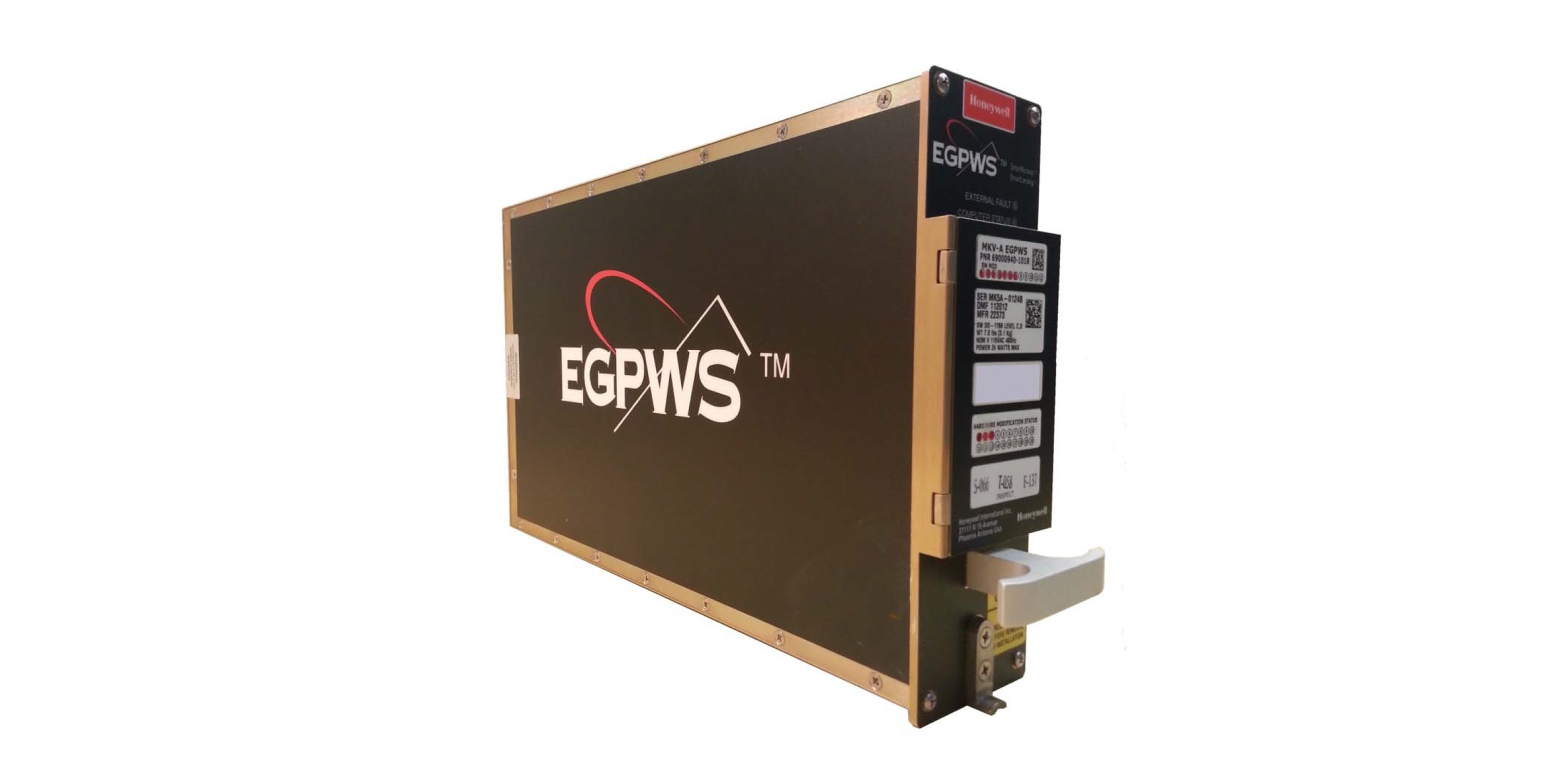
We’re here to ensure your smooth transition to the Mark V-A
If you’re still flying Mark V systems, it’s time to plan your transition to the Mark V-A to avoid obsolescence issues and take advantage of the latest EGPWS safety enhancements. Please contact your Honeywell Aerospace representative or call us at 800-601-3099 to discuss the best path forward.