


Thermal Response Module
Overview
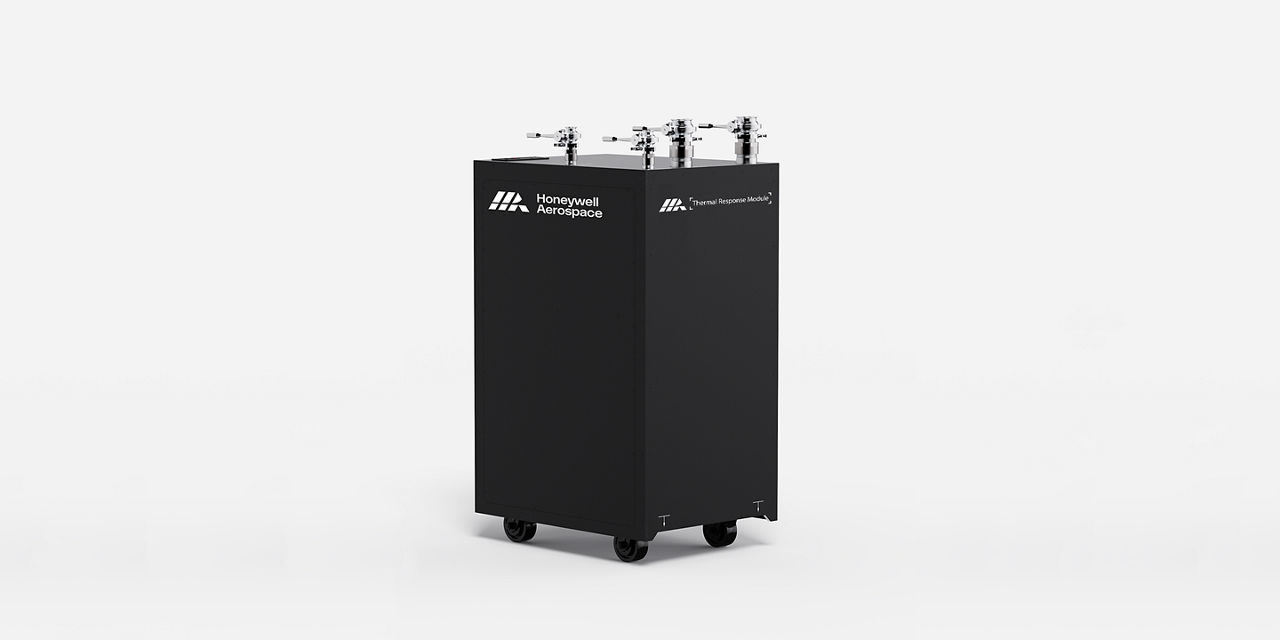
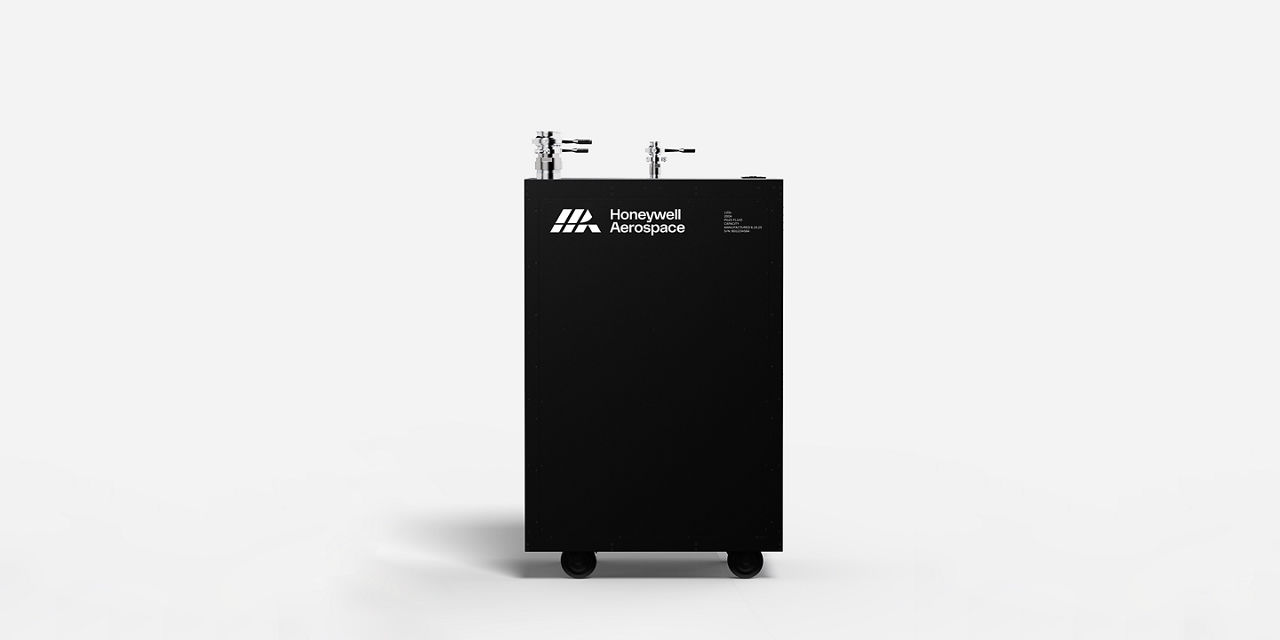
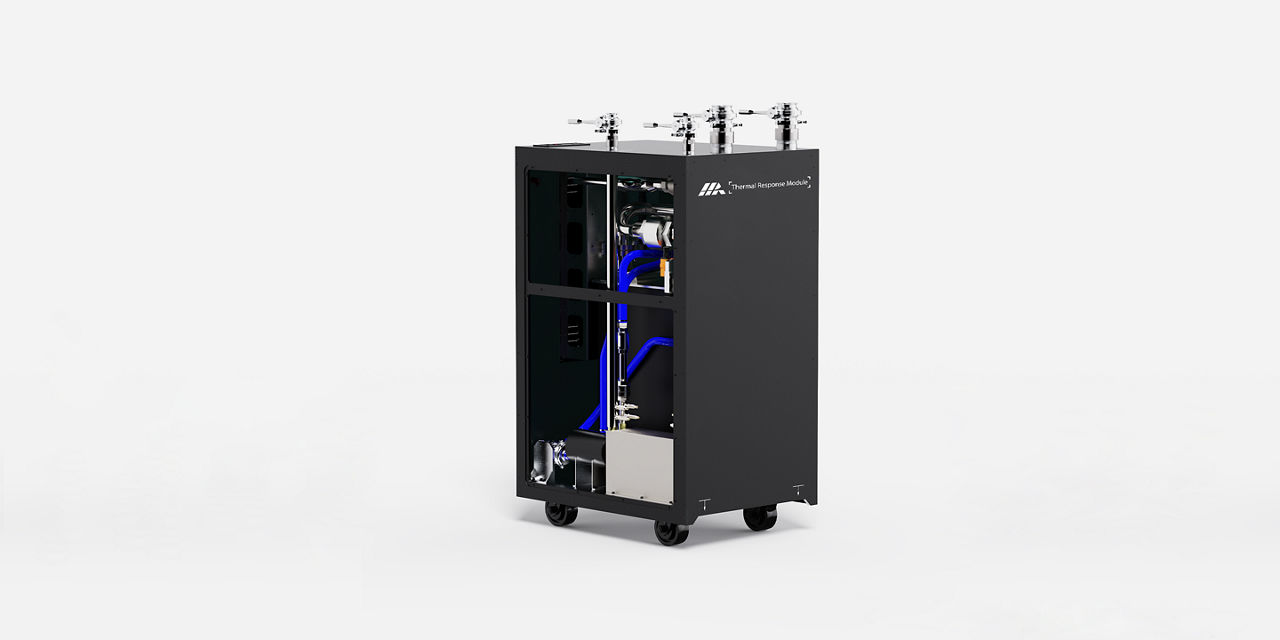
Just as an uninterruptible power supply responds almost immediately to power disruptions, the Thermal Response Module delivers near-instant cooling to keep servers fully operational during chiller restart cycles. Older air-cooled systems possessed enough thermal inertia to ride through restart cycles; however, today's liquid-cooled data centers require extra thermal buffering, which the Thermal Response Module actively supplies.
TES protects the data center during rapid load transitions. Artificial intelligence workloads surge from low utilization to over 100% almost instantly as hundreds or even thousands of clustered processors ramp up in unison. The Thermal Response Module absorbs that sudden thermal spike and provides the necessary ride-through capacity while the thermal chain ramps up to meet the new IT load. The result is stable, uninterrupted cooling, no matter how quickly computing demand accelerates.
Typical Applications:
(Contact our application engineering team for customized thermal modeling and sizing support)
TES protects the data center during rapid load transitions. Artificial intelligence workloads surge from low utilization to over 100% almost instantly as hundreds or even thousands of clustered processors ramp up in unison. The Thermal Response Module absorbs that sudden thermal spike and provides the necessary ride-through capacity while the thermal chain ramps up to meet the new IT load. The result is stable, uninterrupted cooling, no matter how quickly computing demand accelerates.
Typical Applications:
(Contact our application engineering team for customized thermal modeling and sizing support)
- Chiller Restart Bridging: Provides critical thermal inertia to maintain TCS specifications and ensure continuous uptime during power-interruptionrestarts.
- Transient Load Balancing: Bridges the response-time gap between CDU and chiller plants during 0-100% GPU load ramps, preventing performance throttling.
- Maximized Economization: Safely enables high TCS temperatures to optimize free cooling while absorbing peak transients to prevent SLA violations.
- Liquid-Cooling Retrofits: Injects essential thermal mass into legacy air-cooled facility conversions to protect less-forgiving, high-density server loops.
- Co-location Resiliency: Delivers a localized thermal insurance policy to safeguard single-point-of-failure infrastructure and critical tenant workloads.
- Sustainable Power Integration: Balances the slow ramp-up times of high-efficiency absorption chillers powered by generators, turbines, or SMR waste heat.
Specifications
Certifications
- Design for UL 62368
Key Benefits
- INCREASE RESILIENCY: The Thermal Response Module delivers fast cooling to protect essential data center equipment, acting as the final thermal safeguard right before sensitive GPUs.
- INCREASE REVENUE: Sites are power constrained; The Thermal Response Module is part of the solution to reduce power to cooling and increase power for GPU servers.
- SUSTAINABILITY: The Thermal Response Module optimizes energy and water usage by protecting hardware during temperature excursions while providing operators the confidence to operate at high liquid loop temperatures.
Resources
SortSales Sheet
Title
Category
Date Added
Size
Data Sheet
Title
Category
Date Added
Size
Title
Category
Date Added
Size