

Honeywell 1-Megawatt (MW) Turbogenerator
Meet Honeywell’s 1-Megawatt (MW) Turbogenerator, a new power source for hybrid-electric aircraft that will usher in an era of clean, inexpensive air travel.

Your browser is not supported.
For the best experience, please access this site using the latest version of the following browsers:
By closing this window you acknowledge that your experience on this website may be degraded.
What does it take to generate a megawatt of power onboard an aircraft?
See how engineers are integrating megawatt-class power into aircraft while addressing weight, cooling, electrical loads and future platform requirements.
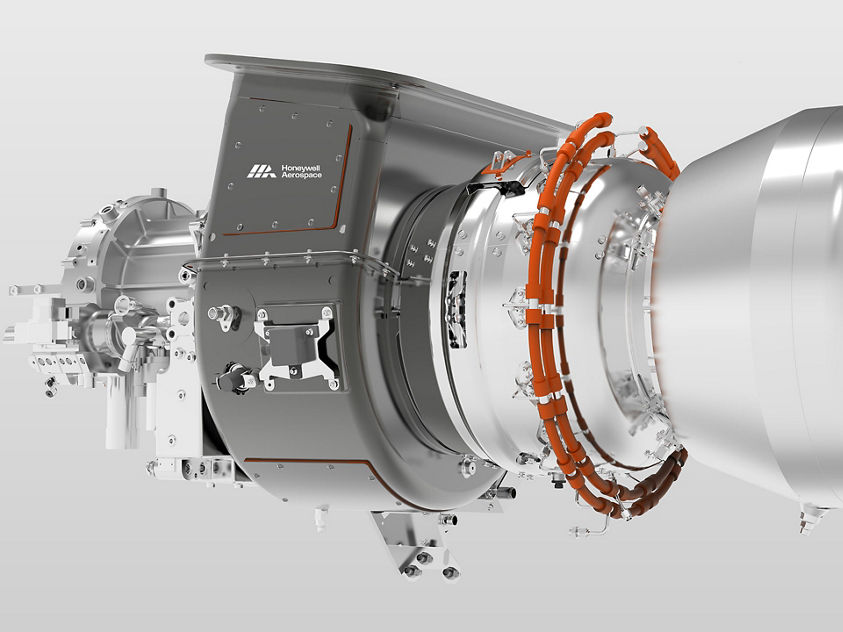
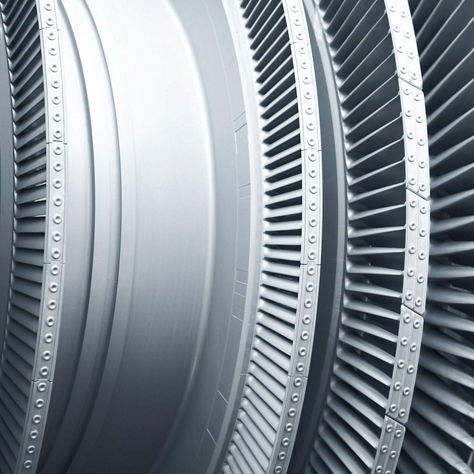
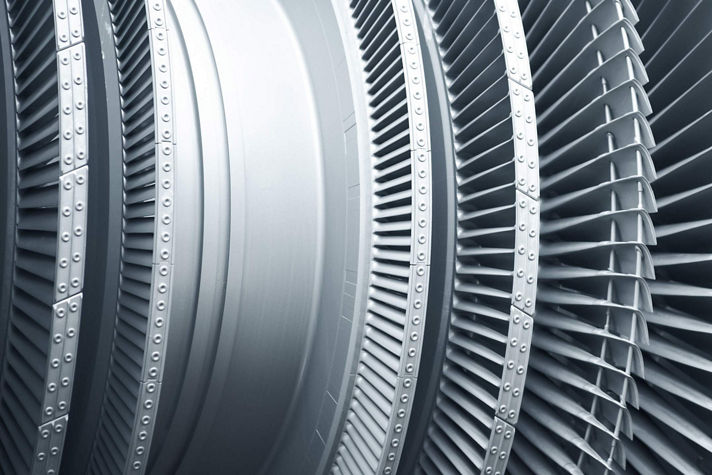
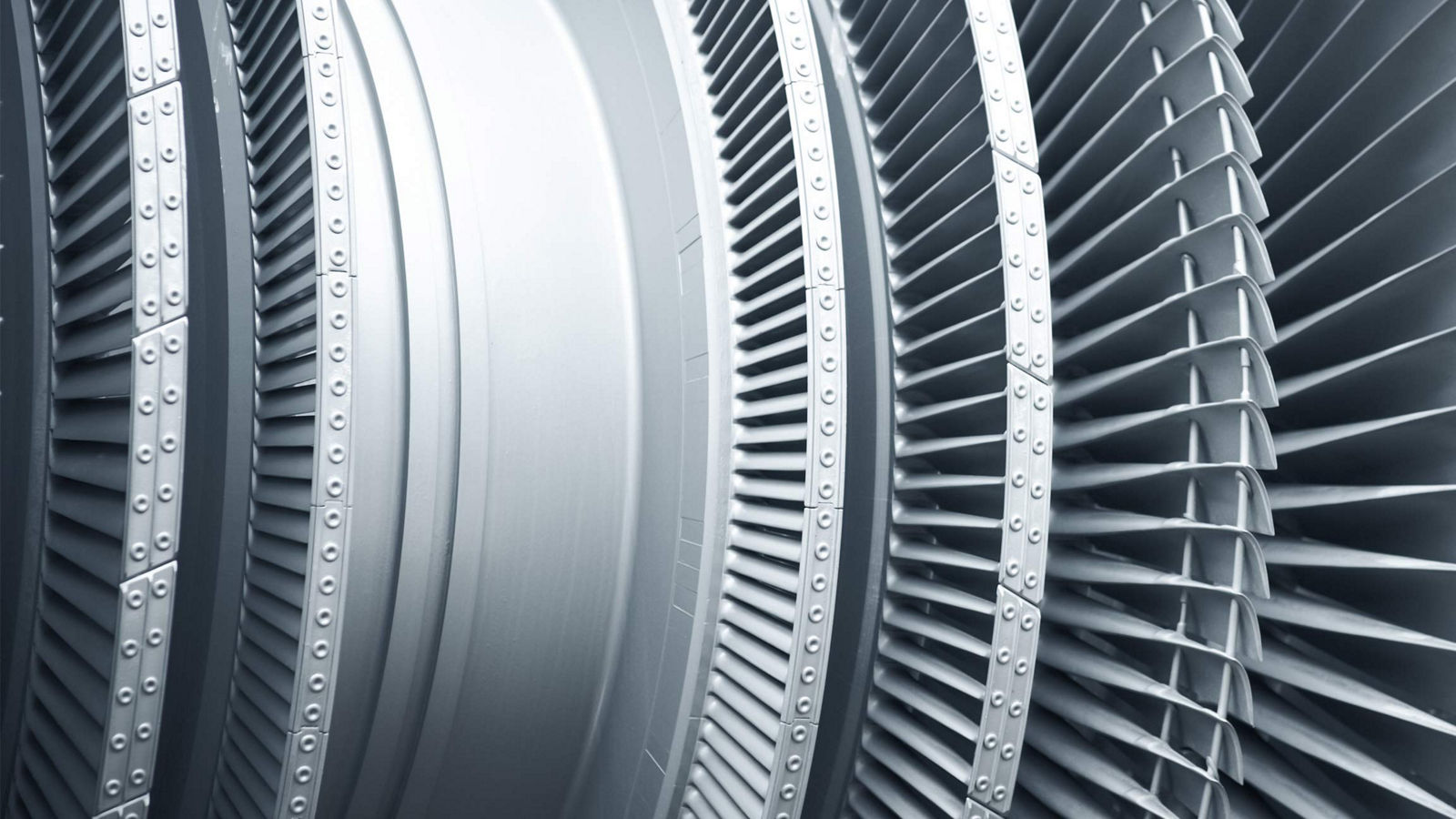
A megawatt is enough electrical power to run a large office building. Honeywell Aerospace engineers have now packaged that level of power into a generator roughly one foot in diameter and two feet long.
At approximately 8 kilowatts per kilogram and 97% efficiency, the generator's power density and efficiency help reduce the weight and heat engineers have to account for when integrating that much electrical power into an aircraft.1
Michelle Anteau, product line director for Honeywell Aerospace's electric power portfolio, says the team spent years working toward that efficiency level while optimizing the cooling system needed to manage the generator's thermal rejection.
“Because it’s generating so much power, there’s a lot of thermal heat rejection,” Anteau says. “That requires us to make sure that we’re fully optimized around the needs to provide cooling to that generator.”
Cooling is part of the generator’s size, weight and integration equation from the beginning.
Aircraft can generate high levels of electrical power using multiple generators. For OEMs, choosing between multiple generators and a single higher-output unit requires balancing redundancy, available space and weight.
In a hybrid-electric architecture, the 1-megawatt generator can be integrated with a fuel-burning engine on a direct-drive shaft, converting mechanical power into electrical power for the aircraft.
That electrical power then must be distributed and used within the constraints of the platform, including managing the heat created by higher electrical loads.
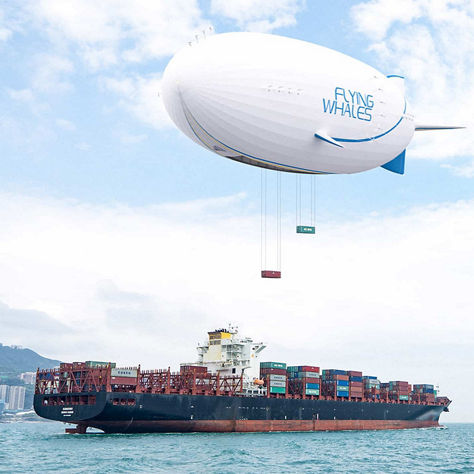
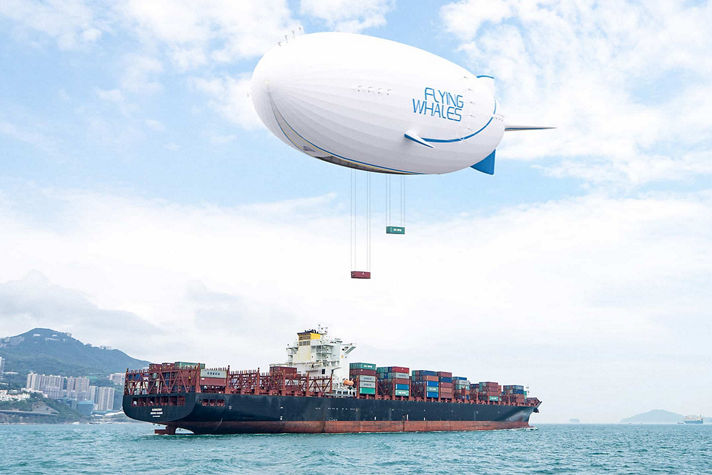
Flying Whales plans to use the 1-megawatt generator on its LCA60T, a large cargo airship designed to transport heavy loads. As the launch application for the generator, the program is putting megawatt-class generation into a real aircraft architecture.
For Anteau, that marks an important step after years spent developing the technology.
“We’re going from an advanced technology demonstration program to a real application program,” she says.
The team is integrating the generator with the turbine engine and the airship frame while working through certification and regulatory requirements for technologies where standards are still being refined.
"We’re going from an advanced technology demonstration program to a real application program”
Michelle Anteau
Product Line Director, Electric Power Portfolio, Honeywell Aerospace
Higher electrical loads can also increase the amount of heat an aircraft has to manage.
“The more energy that is required, the more cooling is required,” says T.C. Miller, director of product development for Rocky Research, a wholly owned subsidiary of Honeywell Aerospace.
For airborne applications where weight and available power are constrained, Miller says Rocky Research is working with the broader Honeywell Aerospace team on thermal energy storage technologies that can supplement an aircraft’s cooling system during periods of higher demand.
Rather than sizing conventional cooling equipment around every temporary peak, stored cooling can provide additional thermal capacity when the load requires it.
The requirements for megawatt-class generation can vary by platform. Anteau points to opportunities across advanced air mobility (AAM) and other aircraft applications, while larger passenger-carrying platforms bring additional certification, redundancy and technology-maturity considerations.
Defense platforms can introduce a different set of requirements, including tighter packaging constraints and electrical loads tied to specific mission needs. The amount of power available to those systems and the heat they create both have to fit within the aircraft architecture.
Generating a megawatt onboard is one part of the engineering challenge. OEMs also must determine how that power will be distributed, cooled and used within the weight, space and mission constraints of the platform.
Megawatt-class generation expands the electrical capacity available to engineers while the architecture around it determines what the platform can do with that power.
¹ Source: Honeywell Aerospace, 1 Megawatt (MW) Power Generator data sheet. Power density calculated from published 1 MW output and 280-lb generator weight. 97% DC design efficiency at rated load.
Download our report and see how electrical power generation, propulsion, motion controls and other technologies come together in more-electric aircraft.