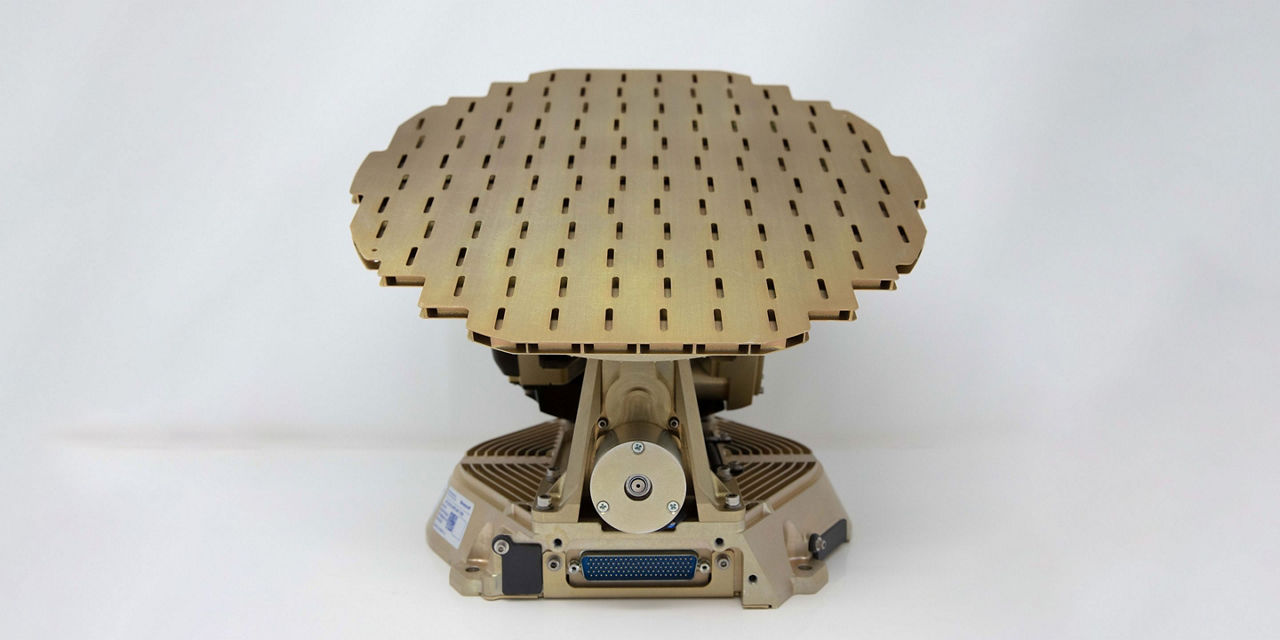

IntuVue RDR-7000 Weather Radar System
Highly advanced and automated weather radar to avoid diversions and delays.

Your browser is not supported.
For the best experience, please access this site using the latest version of the following browsers:
By closing this window you acknowledge that your experience on this website may be degraded.
How IntuVue RDR-7000 helps business jet pilots avoid hazardous weather
Honeywell Aerospace RDR-7000 Advanced 3D Weather Radar gives pilots earlier, clearer insight into hazardous weather, reducing delays and improving flight safety.
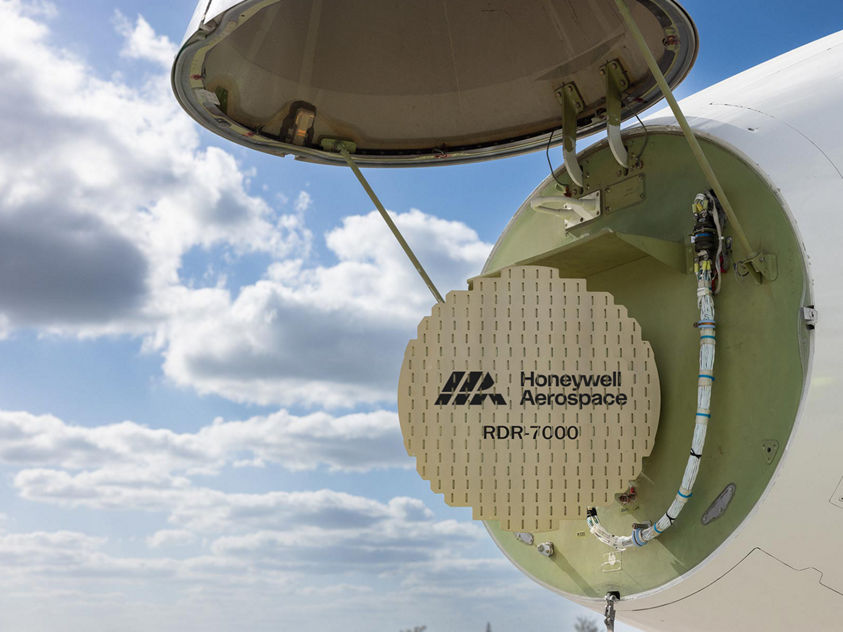
Even the most advanced weather radar system can't keep storm clouds from forming. But the Honeywell Aerospace IntuVue RDR-7000 weather radar system can help pilots avoid hazardous weather, limit diversions and make better decisions. The results are safer flights, better on-time performance and a smoother ride for even the most demanding passengers..
As severe weather events become more frequent, advanced weather radar for business jets is playing an increasingly important role in maintaining flight safety and operational efficiency.
According to the Federal Aviation Administration, adverse weather is a leading contributor to fatal aircraft accidents and is responsible for nearly three-quarters of significant flight delays in the National Airspace System.
Add in the potential for aircraft damage from hail and severe turbulence, increased fuel burn from rerouting and the cascading effects of delays across the air traffic management system and it's easy to see the enormous benefits of earlier, more accurate weather detection.
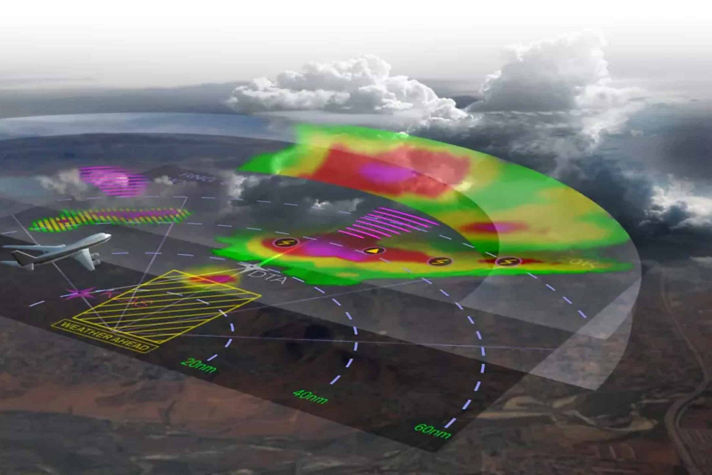
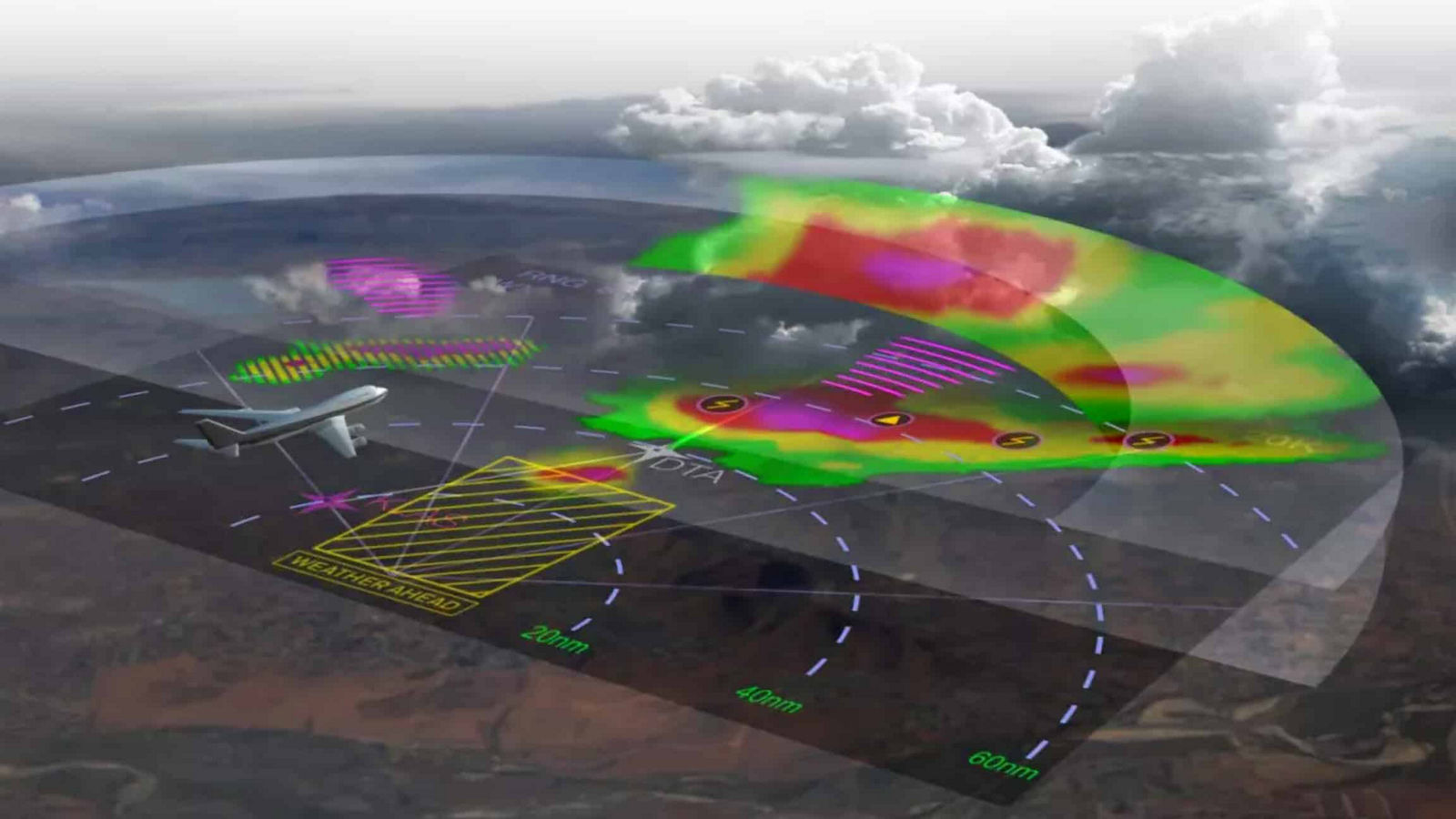
“The RDR-7000 provides a new generation of severe weather awareness,” said Jason Bialek, a technical sales director for Honeywell Aerospace. “It automatically detects precipitation and predicts where turbulence, lightning, hail and windshear are present. It displays this information in an intuitive way to give pilots a clearer picture of what’s ahead. More importantly, the system gives pilots more time to evaluate options and make safe, confident decisions.”
Honeywell Aerospace engineers recognized that it’s not enough for pilots to simply see the weather. “They need to quickly understand which hazards matter, where those hazards are, and how to avoid them while managing everything else going on in the cockpit,” Bialek said. “The RDR-7000 helps pilots distinguish relevant on-path threats from off-path weather or ground returns. This reduces the cognitive workload pilots experience with older generation radars, which required them to spend more time evaluating confusing or inconsistent presentations to decide what is relevant as an actual hazard.”
As our most advanced IntuVue radar, the RDR-7000, also reduces pilot workload by eliminating much of the manual tilt-and-gain operations and the need to filter ground clutter and interpret display patterns, which legacy systems required. With automatic 3D volumetric scanning, flight crews are given a more complete, real-time view of weather conditions ahead of the aircraft, helping them identify hazards earlier and make better routing decisions.
A clearer picture of storm cells, turbulence and hail-producing conditions means fewer unexpected encounters with rough air and greater confidence that the aircraft is staying well clear of the most hazardous weather. For aircraft owners and operators, those same capabilities translate into fewer weather-related delays, diversions, turn-backs, maintenance events and schedule disruptions.
"The RDR-7000 provides a new generation of severe weather awareness. It automatically detects precipitation and predicts where turbulence, lightning, hail and windshear are present. It displays this information in an intuitive way to give pilots a clearer picture of what’s ahead. More importantly, the system gives pilots more time to evaluate options and make safe, confident decisions.”
Jason Bialek
Technical Sales Director, Honeywell Aerospace
Conventional aircraft weather radar has helped pilots avoid hazardous weather for decades, but the Honeywell Aerospace RDR-7000 weather radar system brings a new generation of capabilities to the flight deck. By leveraging automation, predictive capabilities and intuitive displays, it provides a more complete picture of hazardous weather while reducing pilot workload.
One of the most significant advances in weather radar is the move from standalone aircraft sensors to connected weather intelligence. Our Hazard 3.0 development program represents the next step in that evolution, using connected radar techniques to share weather data collected by aircraft with ground operations securely.
By aggregating radar observations from aircraft across an entire fleet, operators can build an almost real-time picture of weather conditions, improving flight planning, operational decision-making and fleet-wide weather awareness. The result is a smarter, continuously evolving view of the atmosphere that benefits both pilots and airline operations, demonstrating how connectivity is helping modernize airborne weather radar.
"The future of weather radar isn't just seeing storms as they exist at that moment, it's understanding how they are changing over time,” Bialek concluded. “Our goal is to give pilots and operators the information they need to make better decisions earlier to improve safety, reduce disruptions and make every flight more predictable."
As weather patterns become increasingly complex, advanced weather radar technology will play an even greater role in helping pilots operate safely and efficiently. The Honeywell IntuVue RDR-7000 is designed to provide the weather awareness needed to make better decisions throughout every phase of flight.
Learn more about Honeywell’s Aerospace RDR-7000 Advanced 3D weather radar and how it can improve your flight safety and operational efficiency.