


Mark V-A EGPWS
Overview
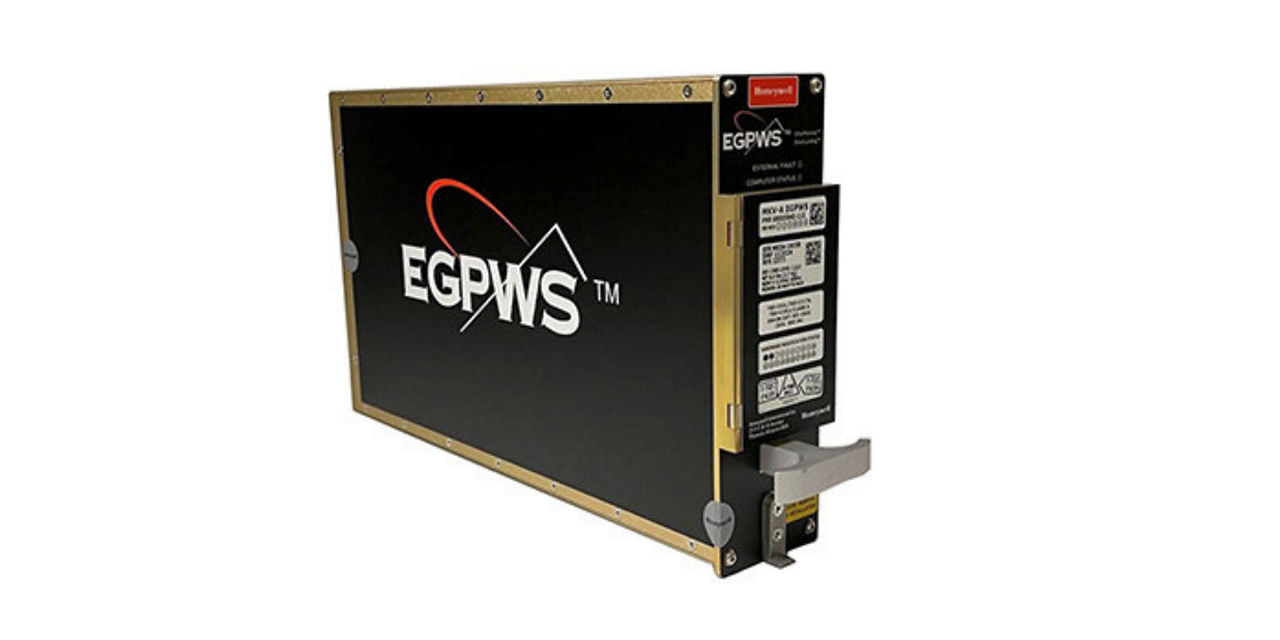
The Mark V-A enhanced ground proximity warning system (EGPWS) is a replacement for the popular Mark V EGPWS. The Mark V-A is certified to the new terrain awareness and warning system (TAWS) technical standard order (TSO) C151c. The Mark V-A was designed to use the same rack and connector as the Mark V, minimizing installation design considerations. The Mark V-A comes in three versions, 115Vac, 28Vdc, and 115Vac, depending on your aircraft requirements.
Positioned for growth, the Mark V-A incorporates a faster processor and increased memory; and will enable adoption of new features like SURF-A in the future. Installers can use the existing Mark V program pins or select configuration options via a loadable database. Using configuration options like the aircraft personality module (APD) or option selection software (OSS), the pins previously used by the Mark V become available for use as additional input or output channels, further supporting future growth.
Improving on the Mark V, the Mark V-A utilizes a higher resolution terrain database, allows terrain database and software updates via either USB or Ethernet and benefits from a 15 percent weight reduction and 25 percent increase in reliability, or mean time between failures (MTBF).
Positioned for growth, the Mark V-A incorporates a faster processor and increased memory; and will enable adoption of new features like SURF-A in the future. Installers can use the existing Mark V program pins or select configuration options via a loadable database. Using configuration options like the aircraft personality module (APD) or option selection software (OSS), the pins previously used by the Mark V become available for use as additional input or output channels, further supporting future growth.
Improving on the Mark V, the Mark V-A utilizes a higher resolution terrain database, allows terrain database and software updates via either USB or Ethernet and benefits from a 15 percent weight reduction and 25 percent increase in reliability, or mean time between failures (MTBF).
Specifications
Replaces
- Mark V EGPWS
Key Benefits
- Geometric altitude algorithm overcomes barometric altimetry limitations, like cold weather operations
- Radar autotilt® feature allows the EGPWS to provide terrain elevation data to compatible radars for controlling the tilt of the radar antenna during its scan
- Reactive wind shear alerting provides visual and aural warnings of impending wind shear
- The Mark V-A features altitude callouts of height above terrain or field elevation during final approach
- The Mark V-A has auto pop-up to change from radar to terrain display in the event of a terrain alert, reducing pilot workload during this critical time
- The runway field clearance floor (RFCF) feature provides protection against inadvertent landings below airport runway thresholds at airports that are much higher than surrounding terrain
- The vertical situation display (VSD) provides altitude awareness in relation to the terrain, as well as an aircraft trend vector
- Using envelope modulation, Honeywell’s Mark V-A reduces the rate of nuisance alarms to increase pilot confidence
- depicts the highest and lowest elevation terrain within the display range at any altitude
Software
- Approach Stabilization Monitor
- Runway Overrun Awareness and Alerting System ROAAS
- SmartLanding functions
- Taxiway Guidance